Pillows support the head and neck during rest, while their fill, shape, and firmness influence comfort and positioning. As part of bedding, they can complement sheets and comforters and suit different sleep preferences. Understanding materials and construction helps distinguish everyday pillows from options intended for particular needs or sleeping environments.
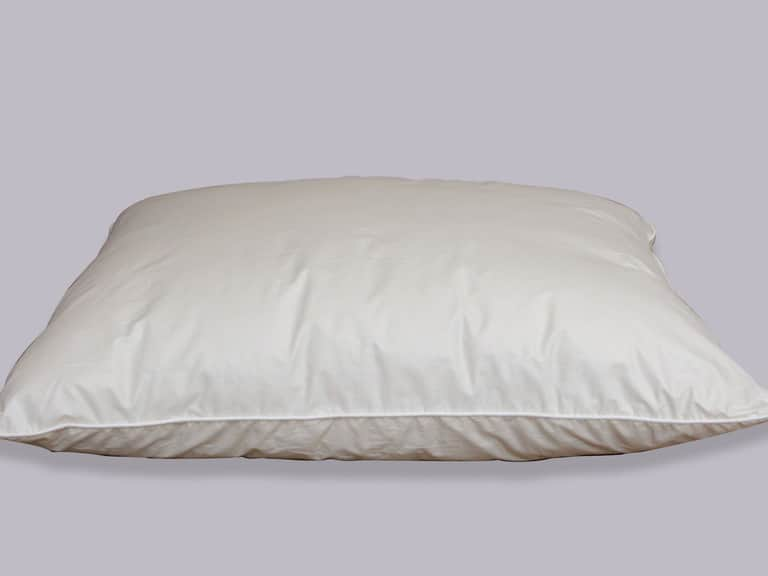
Alpaca and Wool Pillows combine natural-fiber fills with a soft, resilient feel. Alpaca fiber is known for its lightness, while wool can provide spring and help regulate warmth. Together, these qualities may offer cushioning and a comfortable sleep surface without relying solely on synthetic fill materials.
Wool’s natural structure can help manage moisture and temperature, supporting comfort across changing conditions. These characteristics make wool pillows relevant to bedding users who prefer breathable natural materials. Pillow loft and firmness still matter: side sleepers often need more height, while back and stomach sleepers may prefer lower profiles.
For nursery settings, pillow use requires particular care. Health guidance generally advises keeping pillows, loose bedding, and soft objects out of an infant’s sleep space to reduce suffocation risk. For older children, choose an appropriately sized pillow and follow current pediatric safety recommendations rather than assuming that natural filling makes a pillow suitable for infants.
Alpaca and wool pillows can be considered alongside wool comforters and other bedding when choosing materials with natural-fiber characteristics. Care needs vary by cover and fill, so product labels should guide washing, airing, and storage. Proper maintenance helps preserve loft and cleanliness, while a washable cover can protect the pillow from everyday wear.
 Bedding