Understanding Cashmere in Hats: Material Qualities, Sourcing Ethics, and Care
Exploring how cashmere shapes hat performance, feel, and longevity—from fiber properties to ethical sourcing and maintenance practices that keep premium headwear looking and feeling exceptional.
Cashmere hats occupy a special place in winter wardrobes, blending luxurious touch with practical warmth. When you hear “cashmere hats,” you might imagine a soft, insulating layer against chilly winds, yet the true magic lies in the fiber’s unique characteristics. Cashmere fibers, harvested from cashmere goats, are renowned for their lightness, warmth, and a hand-feel that surpasses many other fibers. In this guide, we’ll unpack what makes cashmere distinct, how ethical sourcing can shape your choice, and how to care for cashmere hats so they endure season after season.
We’ll also meet key voices from different eras who helped shape our understanding of textiles, craftsmanship, and luxury—people whose work informs today’s hats, fabrics, and ethical standards.
What is cashmere? Fiber quality signals that matter in hats
Cashmere is defined by a fine diameter and a soft, lofty hand. The quality of cashmere hinges on several measurable signals:
- Fiber diameter: The hallmark of luxury cashmere is a micrometer range that typically sits well below merino wool, contributing to a feather-light feel.
- Crisp loft and warmth: Fine fibers trap air, delivering impressive warmth for their weight and a plush surface that feels against the skin.
- Drape and hand: In hats, cashmere should retain a refined fall, whether in a beanie’s ribbed cuff or a structured cap’s brim, without becoming stiff or limp.
- Evenness and pilling resistance: A high-grade cashmere blend tends to pill less and maintain a smooth surface even after repeated wear.
For hat-making, the fiber’s “hand” translates into how a cap sits on the head, how it breathes in mild weather, and how it layers with other fabrics—think a lightweight cashmere hat under a wool coat or a structured cap with cashmere trim for a subtle touch of luxury.
Ethical sourcing and sustainability: the heart of credible material guides
Credible cashmere guidance begins with transparency in sourcing. The cashmere supply chain intersects animal welfare, livestock management, and environmental stewardship. Ethical sourcing might include:
- Traceable supply chains that allow consumers to follow fibers from goat herds to finished hats.
- Standards for animal welfare, including humane husbandry practices.
- Third-party certifications and audits that verify humane treatment and sustainable farming.
- Minimizing traceable deficits: reductions in chemical processing or environmentally sensitive dye usage during textile finishing.
Ethical sourcing isn’t merely a checklist; it is a narrative about how fibers are grown, harvested, and transformed into everyday luxury. When shopping for cashmere hats, readers should look for transparent brand statements, supplier disclosures, and third-party certifications that validate ethical commitments. This approach helps elevate the entire category from mere indulgence to responsible craftsmanship.
Care basics for cashmere hats: preserving loft and longevity
Cashmere’s delicate nature calls for attentive care. The following tips help you preserve the hat’s warmth, texture, and shape over time:
- Washing and cleaning: Most cashmere hats benefit from dry cleaning or hand washing with a mild soap if the care label permits. Avoid hot water and harsh detergents that can strip oils from the fibers.
- Shaping: After washing, lay flat to dry on a clean towel. Gently reshape the crown and brim to maintain the intended silhouette.
- Pilling and softening: If pilling occurs, use a fabric shaver or comb designed for cashmere, taking care not to over-shear the surface. Pilling is more a sign of fiber content and wear pattern than a flaw—regular maintenance helps keep the hat looking plush.
- Storage: Store hats clean and dry in breathable cedar or cotton storage, avoiding heavy friction against other garments that can cause wear at the crown or edge.
Seasonal care routines—such as brushing off dust after outdoor wear and airing hats after use—extend loft and maintain the plush surface cashmere is celebrated for. When cared for properly, a cashmere hat can remain a cherished accessory for many winters.
Three key luminaries who illuminate textile thinking across time
John Ruskin (1819–1900)
The British art critic and social thinker championed quality craftsmanship and the moral purpose of work. Ruskin’s emphasis on integrity of materials, attention to detail, and the ethical responsibilities of makers resonates with today’s demand for transparent sourcing and sustainable fashion. In the context of cashmere hats, his ethos invites readers to ask: Are fibers harvested and processed with care? Is the garment’s maker treated with fairness? His perspective anchors modern ethics in a long tradition of conscientious craft.
Zadok Ben-David (b. 1949)
A contemporary sculptor and designer whose multidisciplinary practice bridges craft and dialogue, Ben-David’s approach informs a modern view of materiality—how fibers behave under shaping forces and how textures communicate identity. His perspective invites hat designers and textile lovers to consider how cashmere’s texture and weight influence headwear silhouettes, allowances, and wearability, blending sculpture with functional fashion.
Aimi Nakamura (b. 1983)
A textile scholar and designer who foregrounds ethical sourcing and global collaboration, Nakamura’s work underscores how knowledge about fibers travels across cultures. Her research into supply chains and traceability echoes today’s emphasis on transparency, making her a compelling voice for readers who want to understand not just the fiber’s feel, but its journey from farm to fashion item.
A practical section: cashmere hat evaluation and a sample product
When evaluating cashmere in hats, look for real-world signals: fiber feel, even knitting, and careful finishing touches. A practical example from a well-regarded brand in related textiles offers a vivid template for how care, texture, and craftsmanship manifest in tangible products.
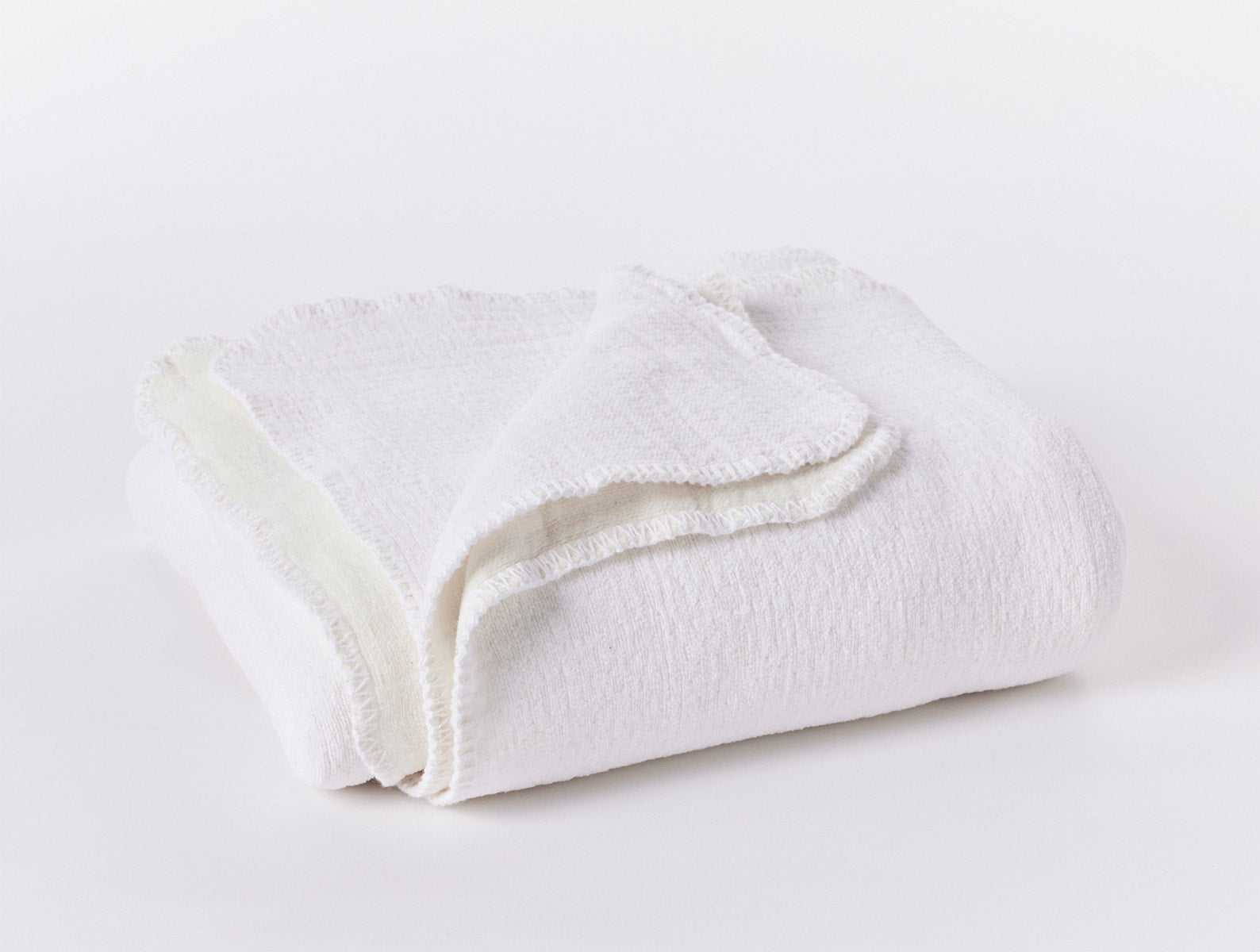
Consider the Cozy Cotton Organic Throw from Coyuchi as a reference point for the general approach to premium materials and careful construction. While not a hat, its emphasis on organic cotton, washed texture, and thoughtful finishing provides a useful lens for understanding brand commitments to quality. It also demonstrates how a clean, understated aesthetic translates across product categories, including hats, where texture and drape matter for a flattering silhouette.

For hats, the analogous premium touch would be to feature a cashmere-structured cap or knit beanie that highlights a refined hand, consistent stitch, and careful edge finishing. In our narrative, a carefully chosen cashmere hat might pair with a coordinating accessory—such as a cashmere scarf or a hat-safe care guide—reflecting the cohesive luxury ethos that runs through this article.
Glossary and quick references
- Cashmere: The fine undercoat fibers from cashmere goats, known for warmth and softness.
- Fiber diameter: A key quality indicator; thinner fibers contribute to softness and loft.
- Ethical sourcing: Transparent supply chains, animal welfare standards, and sustainable farming practices.
- Pilling: Tiny fiber balls that form on fabric surfaces; regular grooming helps manage it.
- GOTS: Global Organic Textile Standard, a certification for organic textiles.
Internal links and further reading (conceptual pillars)
Educational guides you may explore in future installments include:
- What is cashmere? Material science deep-dive
- Cashmere vs. other fibers: differences in warmth, drape, and durability
- Ethical sourcing case studies and brand transparency reports
- Care protocols for cashmere garments and accessories
Product highlight

Cozy Cotton Organic Throw
Brand: Coyuchi
Material: 100% organic cotton
Origin: Grown in Turkey; woven in Germany
Care: Machine wash cold; tumble dry low
Price: $248.00