Nursery textiles · A practical guide
Nursery Knits: Balancing Softness, Warmth, and Practical Care
A baby’s knitted layer may look like a small thing, but choosing one involves several big considerations: what it is made of, how it fits, how warm it feels, and how it should be cleaned. The best approach is thoughtful rather than complicated—read the label, consider the setting, follow current safe-sleep guidance, and let an item’s intended use guide its care.
Published October 28, 2026
Comfort is more than a soft touch
Softness is often the first quality parents notice in infant knitwear. A gentle surface can feel reassuring when a baby is being dressed, held, or wrapped in an appropriate layer while awake and supervised. But softness alone does not tell the whole story. Fiber type, yarn thickness, stitch pattern, garment weight, fit, and the temperature of the room all affect how a knit behaves.
Natural fibers such as cotton, wool, cashmere, and alpaca each have distinct characteristics, but the words “natural” and “soft” are not safety certifications. Nor do they guarantee that a fabric will suit every baby. Skin sensitivity varies, and a textile that feels pleasant in an adult’s hand may feel different against a particular infant’s skin. Check the full fiber composition and the garment’s construction, and pay attention to how the baby responds when wearing it.
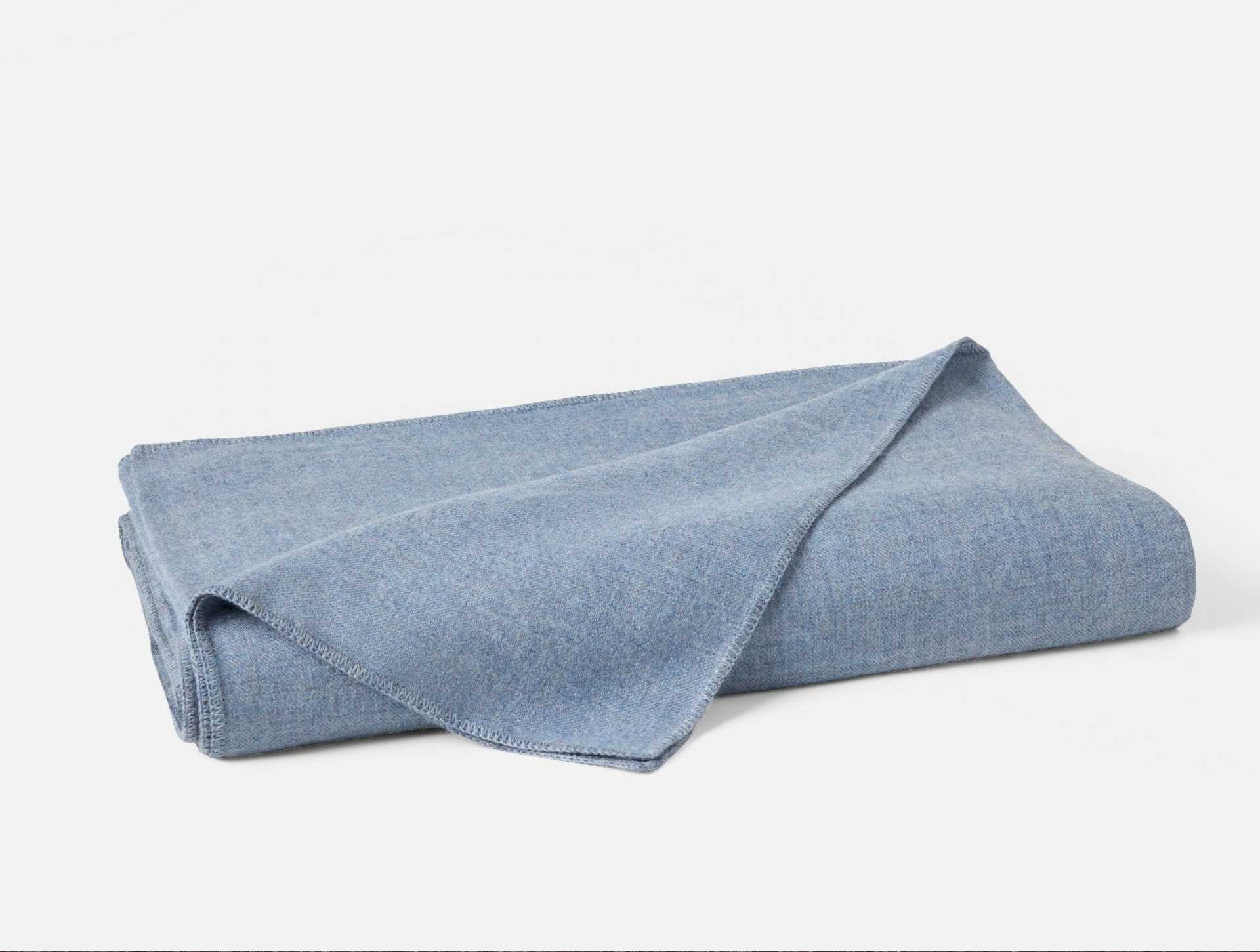
It helps to think of nursery knitwear by function. A cardigan for a walk, a blanket for an adult to hold around a baby while awake, and a sleep garment are not interchangeable categories. A warm, roomy blanket can be useful outside the sleep space when an adult is present, but loose blankets and other soft items can create hazards in an infant’s sleep area. The setting matters as much as the material.
Start with the fiber label
Fiber labels offer a useful first clue about how a knit may feel and how it needs to be maintained. They also help caregivers avoid assumptions based on a product name or marketing description. A blend may contain several fibers with different care needs, so check the declared composition rather than relying on a general phrase such as “cashmere-soft” or “wool-like.”
- Cotton: Cotton knits are commonly chosen for their familiar, breathable feel. The result still depends on the yarn and stitch: a dense cotton knit can feel heavier than an open, lightweight one. Follow the care label, since washing and drying instructions differ between garments.
- Wool: Wool can provide insulation in a relatively light textile, but softness, warmth, and care vary by fiber, yarn, and construction. Some wool garments require gentle handling or professional cleaning. Do not assume that every wool item is suitable for every child or situation.
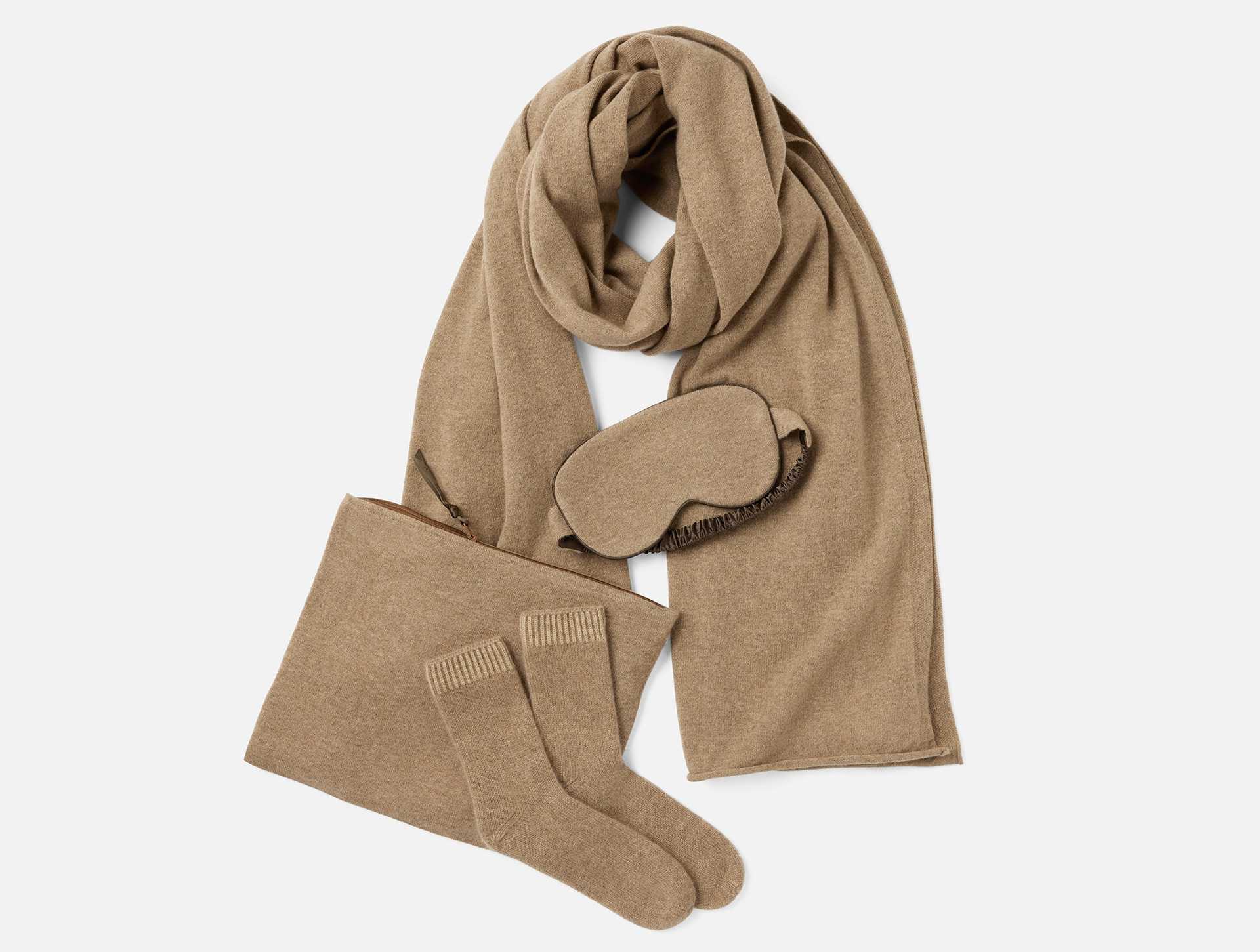
- Cashmere: Cashmere is a fine animal fiber valued in clothing for its soft hand and insulating qualities. A cashmere label describes fiber content, not a garment’s sleep-safety status or the way it should be washed. Delicate pieces often need careful maintenance, so consult the maker’s instructions before cleaning.
- Alpaca: Alpaca fibers are used in warm textiles and may feel light or plush depending on their preparation and knit structure. Fiber source alone does not determine whether a finished item is comfortable for a particular infant, easy to clean, or appropriate for sleep.
- Blends: Blended yarns can combine properties such as softness, strength, or ease of care. Read each component and look for specific washing directions. A blend should not be treated as automatically more durable, breathable, or skin-friendly than a single-fiber textile.
Labels can also describe how a textile is made, where it was produced, or whether a certification applies. Those details can help answer questions about sourcing and manufacturing, but they do not replace the garment’s composition and care instructions. If a label is missing, unclear, or inconsistent with the seller’s description, contact the manufacturer before making assumptions.
Fabric weight and knit structure shape warmth
Fiber gets much of the attention, yet the knit itself plays a leading role. A compact rib, a smooth jersey, and an openwork stitch can behave differently even when made from the same yarn. Stitch density, thickness, layering, and the size of the garment all influence how much air is held within the fabric and how warm it may feel.
A thick, lofty knit can feel cozy in a cool room, while a fine, close-fitting layer may be easier to wear under outer clothing. An open stitch can feel less substantial than a dense one. These are practical observations, not precise temperature ratings: manufacturers do not use one universal scale that turns a knit’s appearance into an exact measure of warmth. When in doubt, consider the complete outfit and the environment, rather than judging by touch alone.
Fit matters, too. Clothing should be appropriate to the baby’s size and intended use, with no loose ties, long cords, or parts that could pose a risk. A garment that is too bulky may make it difficult to layer comfortably beneath outerwear or a properly secured car-seat harness. Follow car-seat manufacturer guidance about clothing and harness fit, and avoid placing bulky layers between a child and the harness when the instructions advise against it.
Temperature awareness is a habit, not a one-time purchase decision. Indoor heating, outdoor weather, activity, and the number of layers can all change a baby’s comfort. Avoid relying on a thick knit as a substitute for checking the environment and the child. When you have concerns about overheating, chills, skin irritation, or an individual health need, ask a pediatric health professional for advice tailored to your baby.
Keep safe sleep at the center
Sleep is where caregivers should be especially careful not to confuse a textile’s comfort with its suitability. A soft touch, natural fiber, or carefully made knit does not establish that an item is safe to place in an infant’s sleep space. For every sleep, follow current guidance from recognized public-health authorities and your baby’s health-care provider.
In the United States, the American Academy of Pediatrics recommends placing babies on their backs for sleep, on a firm, flat, non-inclined sleep surface, with no loose bedding or soft objects in the sleep area. Safe-sleep recommendations can vary by jurisdiction and may be updated, so caregivers should consult the current guidance where they live. A clear sleep space is not the place for a decorative blanket, pillow, stuffed toy, or loose knit accessory.
Use only age-appropriate, properly fitted sleep clothing or a wearable blanket designed for that purpose, and follow its instructions. Check the size range and fit guidance; an item that is too large or not designed for infant sleep should not be treated as a substitute for a properly selected sleep garment. Do not add a hat indoors during sleep unless a qualified health professional has specifically advised it for a medical reason. If a baby is swaddled, follow current safe-sleep guidance, use a product designed for swaddling, and stop when the baby shows signs of attempting to roll, in line with professional recommendations.
For naps and nighttime, resist the temptation to add a loose knit blanket because the room feels cool. Instead, use appropriate sleep clothing and consider the room’s temperature and the baby’s condition. Parents with questions about a newborn’s temperature regulation, prematurity, medical conditions, or safe sleep should seek individual guidance from their pediatrician or another qualified clinician.
Knitted blankets can still have a place in family life: for supervised cuddles while an adult is awake, for use in a stroller when used in accordance with its manufacturer’s guidance, or as a decorative layer outside the infant’s sleep space. Keep the distinction clear. An item’s usefulness in one setting does not make it appropriate in every setting.
Care begins before the first wash
Baby textiles are likely to encounter spills, milk, and frequent handling, so straightforward care is valuable. Before washing a new knit, read its label and check whether the instructions call for machine washing, hand washing, dry cleaning, or another method. Fiber type alone is not enough to choose a washing method: the yarn, dye, stitch, finishing, and garment shape can all matter.
When machine washing is permitted, follow the stated temperature and cycle, and consider placing a delicate item in a mesh laundry bag if the care instructions allow it. Fasten closures, separate colors as appropriate, and avoid washing a fragile knit with items that have hooks or rough surfaces that could snag it. Use detergent according to its directions, and be cautious about adding fragranced products if a baby has sensitive skin or a clinician has recommended avoiding them.
Hand washing is not automatically safer if the garment is not designed for it. When instructions call for hand care, use the specified method, handle the fabric gently, and avoid twisting or wringing it. For an item marked dry-clean-only, follow that direction or consult the maker about an approved alternative. Improvised care can alter a knit’s size, texture, or shape.
Drying is just as important as washing. Some knits can be tumble-dried on a stated setting; others should be dried flat or handled in a particular way. Do not assume that low heat is suitable for every fiber. If flat drying is recommended, place the item on a clean surface, reshape it gently to the dimensions suggested by the care instructions, and keep it away from direct heat. Store it only once it is fully dry.
For a small spot, check the care label before applying a stain remover. Test any permitted treatment in an inconspicuous area if the manufacturer recommends it, and avoid aggressive scrubbing that can roughen fibers or distort stitches. If the garment is especially delicate or the stain is difficult, professional advice may be preferable to repeated home treatment.
Pilling, snags, and storage
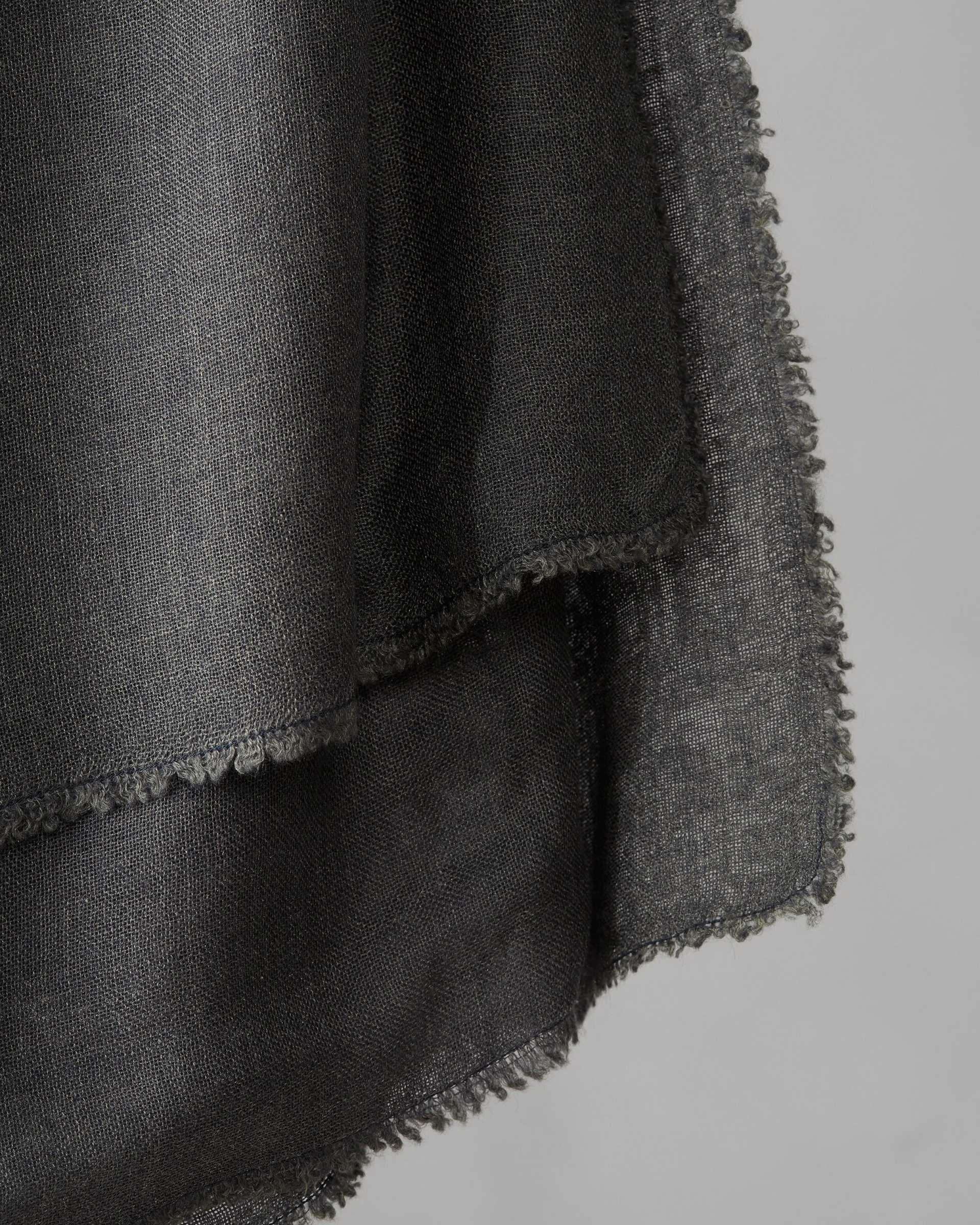
Pilling is a common change in the surface of many knitted fabrics. It happens when short fibers work loose and gather into small balls through friction. It does not automatically mean that a garment is defective, although the amount of pilling depends on fiber, yarn, construction, and use. Friction-prone spots—such as places that rub against a carrier strap, coat, or another layer—may show wear sooner.
If a knit pills, first check whether the care label or maker offers advice. A fabric comb or depilling tool may be appropriate for some textiles, but use it cautiously and away from the baby. Keep any sharp tool, loose fibers, and removed pills out of reach. Do not pull pills off by hand: tugging can draw out more yarn and damage the surface. When uncertain, ask a professional cleaner or the manufacturer how to treat that specific fabric.
Snags call for a similarly gentle approach. Resist cutting a pulled loop from the front, which can leave a hole or weaken the knit. A repair professional may be able to secure a small snag, particularly on a valued garment. Regular checks for loose threads, damaged seams, missing buttons, or worn areas are sensible before dressing a baby. If a piece is damaged in a way that could create a hazard, set it aside until it has been repaired or replaced.
For storage between seasons, make sure the garment is clean and completely dry. Fold delicate knits rather than hanging them if hanging could stretch the shoulders or alter the shape. Use a clean, dry storage space, and avoid compressing a lofty knit for long periods. A breathable container can help protect garments from dust while reducing the chance of trapping moisture. Keep stored items away from pests, damp, and strong odors, and check them before bringing them back into use.
A simple checklist for choosing nursery knitwear
Shopping for a baby can quickly fill a drawer with appealing little layers. A short checklist helps keep the decision practical and focused on use rather than labels alone:
- Identify the purpose. Is it an outfit for supervised daytime wear, an outer layer, a keepsake, or a sleep garment? Choose products designed for the intended use.
- Read the full fiber composition. Look for percentages and blend details, not just a product name or a claim about softness.
- Consider the construction. Check the knit’s density, thickness, seams, closures, and any ties or decorative components.
- Check fit and sizing. Follow the manufacturer’s age and size guidance, and avoid items that are loose, restrictive, or difficult to fasten securely.
- Read the care label before buying. Decide whether the recommended maintenance is realistic for your household and how often the item is likely to need cleaning.
- Look for transparent information. Clear descriptions of composition, origin, and care are more useful than broad claims that cannot be checked.
- Keep sleep standards separate. Never treat natural fiber, a premium price, or a soft hand as evidence that a textile belongs in an infant’s sleep space.
This checklist can also make gift-giving easier. A clearly labeled, easy-to-care-for layer may be more useful than a delicate piece with uncertain instructions. If a gift is intended for sleep, make sure it is specifically designed and sized for that purpose, and encourage the parents to follow current safe-sleep recommendations and the product’s directions.
A thoughtful, not perfectionist, approach
There is no single best fiber for every baby, climate, or routine. A cotton knit may suit one household’s frequent washing, while a delicate wool or cashmere piece may be kept for occasional supervised wear. The right choice depends on what the garment is for, how it feels to the child, how it fits, and whether its care requirements make sense for the family.
It is equally important to separate textile preferences from safety decisions. Parents can appreciate a carefully made knit and still keep loose fabrics, blankets, and accessories out of the sleep area. That is not a contradiction; it is a way to enjoy the comfort and craftsmanship of baby textiles in the settings where they are appropriate.
When questions arise, use the most direct source available: the garment’s care label for cleaning, the manufacturer for construction or intended use, and a pediatric professional for a baby’s individual health or sleep concerns. Public-health authorities provide the best reference for current safe-sleep recommendations. A beautiful knit can be a practical part of a nursery wardrobe when it is chosen with its purpose in mind, cared for according to its instructions, and never allowed to distract from the basics of infant safety.